Malaria
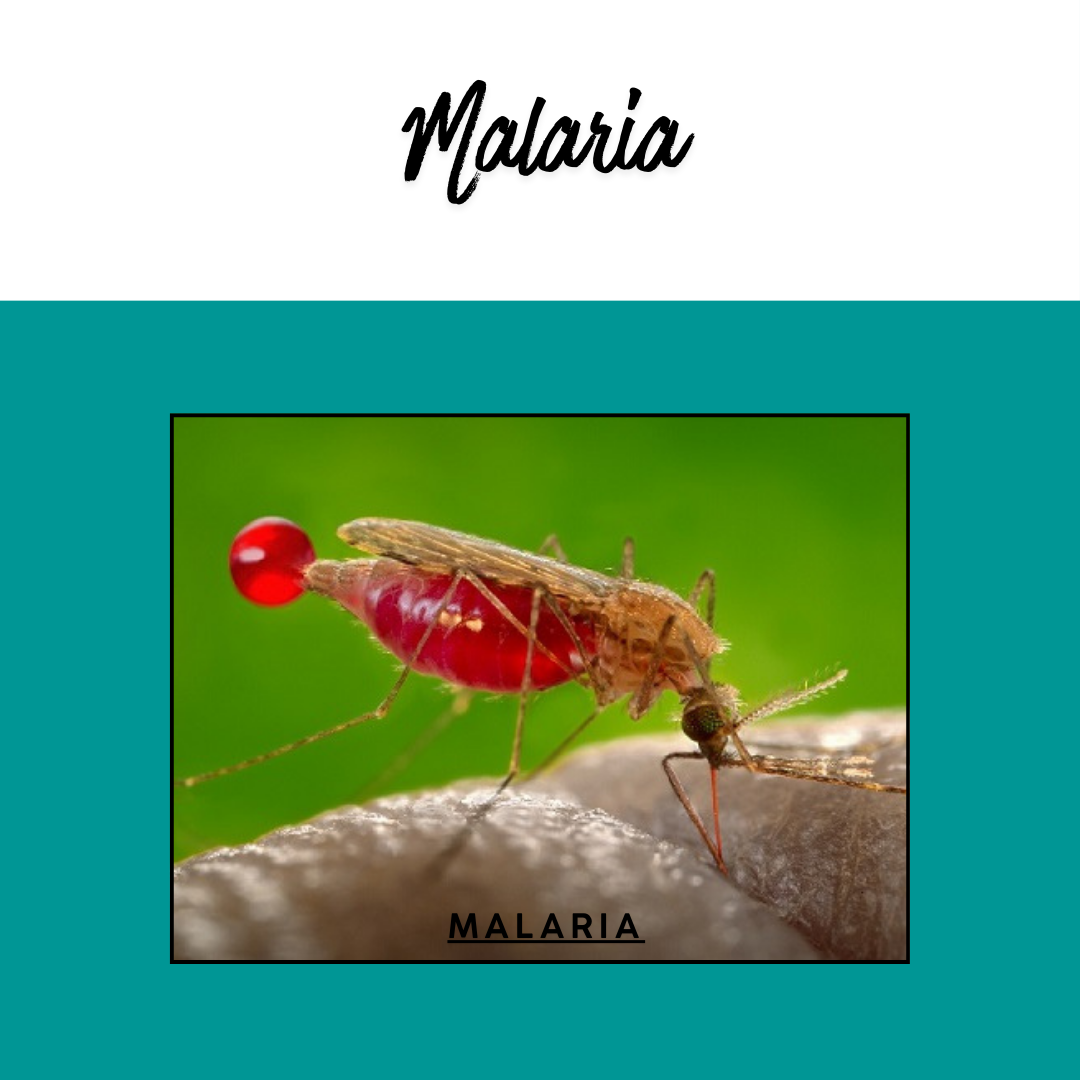
Malaria is not endemic in the U.S. This means it does not regularly occur or spread in the U.S. In a typical year, the U.S. reports about 2,000 cases of malaria. Most of these cases are in people who contract malaria while traveling to another country where malaria spreads and return to the U.S.
On rare occasions, local transmission (spread) occurs because of an imported case of malaria. People do not spread malaria to other people, like the common cold or the flu.
In Florida, Malaria is transmitted through infected Anopheles mosquitoes. Effective treatment is readily available through hospitals and other health care providers.
TRANSMISSION: P. falciparum and P. vivax were previously present in Florida, but was eradicated from the state in the late 1940s. Local transmission has occurred only rarely in recent years, likely due to mosquito control measures, improved housing with screens, use of repellents, and drainage practices. A number of malaria cases are reported in immigrant and travelers to areas where malaria risk is high.
There are 14 Anopheles mosquito species in Florida, all of which are potentially capable of transmitting malaria. An. quadrimaculatus and An. crucians have been major malaria vectors in the past. Since introduction from endemic areas occurs regularly and competent vectors exist in the state, local transmission is possible.
SYMPTOMS: Symptoms of malaria depend on the Plasmodium species, but in most cases develop between 7-30 days after the bite of an infected mosquito. P. vivax can develop up to a year after exposure and if not treated properly can cause additional attacks (relapses).
Commonly, people experience flu-like symptoms such as fever, chills, sweats, headache, nausea and vomiting, body aches, and general malaise. P. falciparum can cause severe and life-threatening disease.
PREVENTION:
- Insect Repellents Help Prevent Malaria and Other Diseases Spread by Mosquitoes
- Preventing Malaria While Traveling
- Repellents: Protection against Mosquitoes, Ticks, and Other Arthropods
- Fact Sheet for Foreign Visitors and Travelers | Spanish | Creole
TREATMENT: Prescription drugs can treat and cure malaria, however the types of drugs and length of treatment depends on:
- Type of malaria
- Where (geographic location) the person was infected
- How sick they are when treatment starts
Other important factors are age and whether the patient is pregnant.
FOR MORE INFO, visit Malaria - Florida Department of Health.