Mosquito Fish (Gambusia)
GAMBUSIA FISH (MOSQUITO FISH)
Free to South Walton County Residents!
Gambusia Fish (Mosquito Fish) are small freshwater fish known for eating mosquito larvae. While helpful in some situations, they are invasive in many regions and can negatively impact native species.
About Gambusia
Native to North America, these fish reproduce quickly, giving birth to live young multiple times a year. Females grow larger than males and populations can increase rapidly.
Mosquito Control
Mosquito fish do eat mosquito larvae—adult females can consume hundreds per day—but they are not mosquito specialists. They eat many other small aquatic organisms, and studies show they are often no more effective than native fish at controlling mosquitoes.
Where They Thrive
They tolerate a wide range of conditions and are commonly found in warm, still, or slow-moving water such as ponds, marshes, flooded areas, and fountains.
Environmental Impact
Introduced worldwide for mosquito control, Gambusia have become invasive in many places. They compete with native fish, damage ecosystems, and prey on eggs and larvae of fish and frogs.

Best Uses
Mosquito fish are not recommended for large ponds, lakes, or streams where they may disrupt ecosystems or be eaten by larger fish.
They are best suited for:
- Small backyard or ornamental ponds
- Non-working fountains or pools
- Bird baths and animal troughs
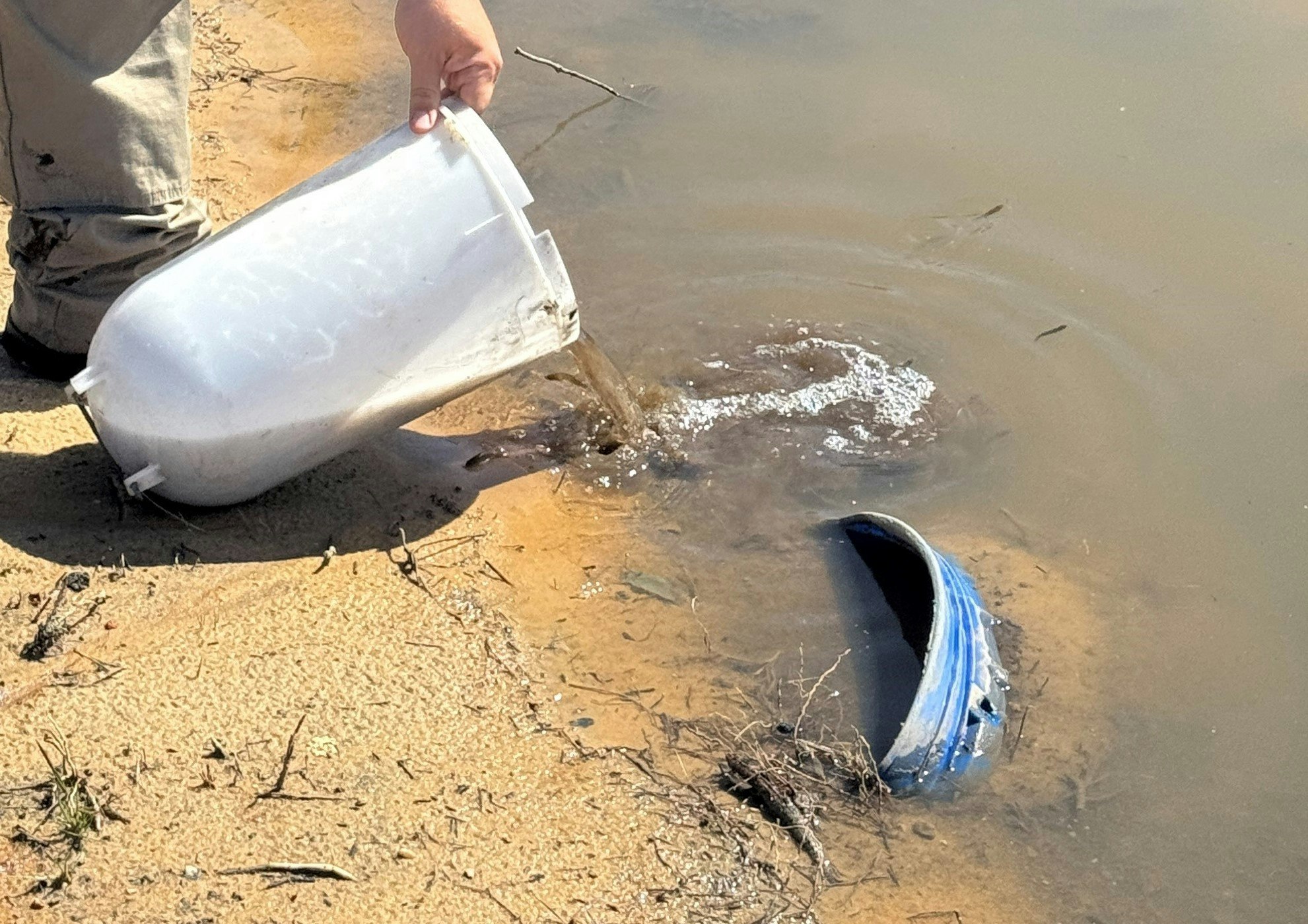
- Flooded yards, swales, and borrow pits
If your pond already has fish, let them handle mosquito control. Standing water in your yard or fountain is a perfect mosquito breeding site—and mosquito fish are ready to help by eating the larvae.
Bottom Line
Mosquito fish can help reduce larvae in small, contained water sources, but because of their invasive nature, they should be used carefully and only in appropriate locations.
South Walton County residents can receive mosquito fish at no cost. To request Gambusia (mosquito fish), please contact us at (850) 267-2112 or fill out a Request for Service and indicate in the request that you are requesting mosquito fish.