Sentinel Chicken Surveillance
What are sentinel chickens and how are they used to control mosquitoes?
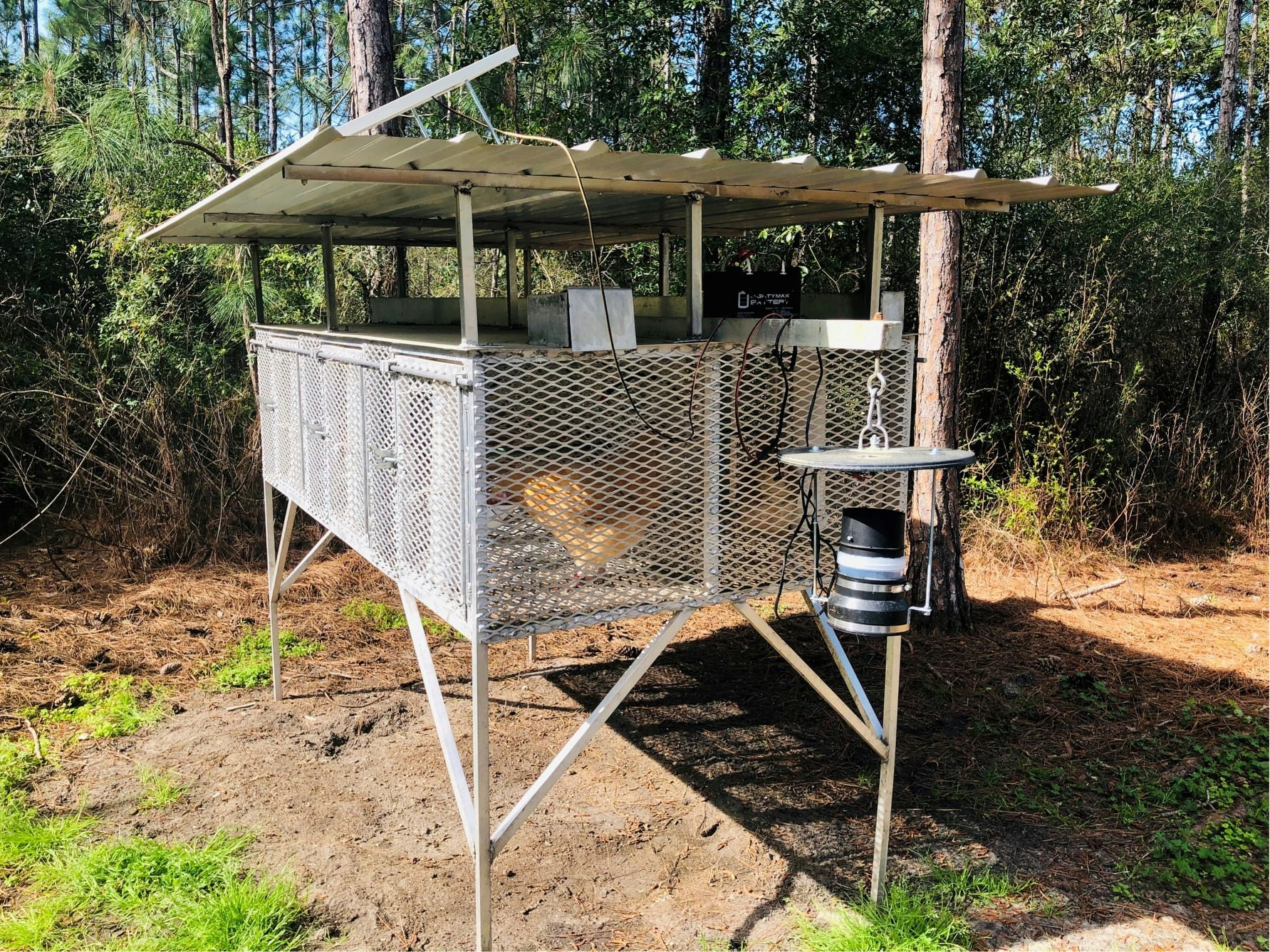
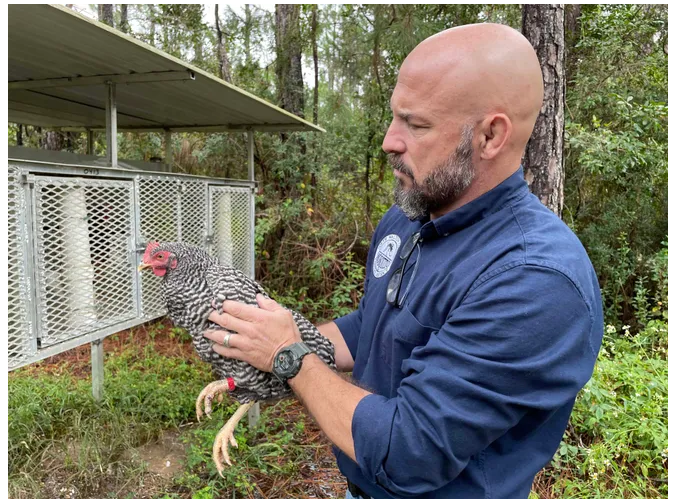
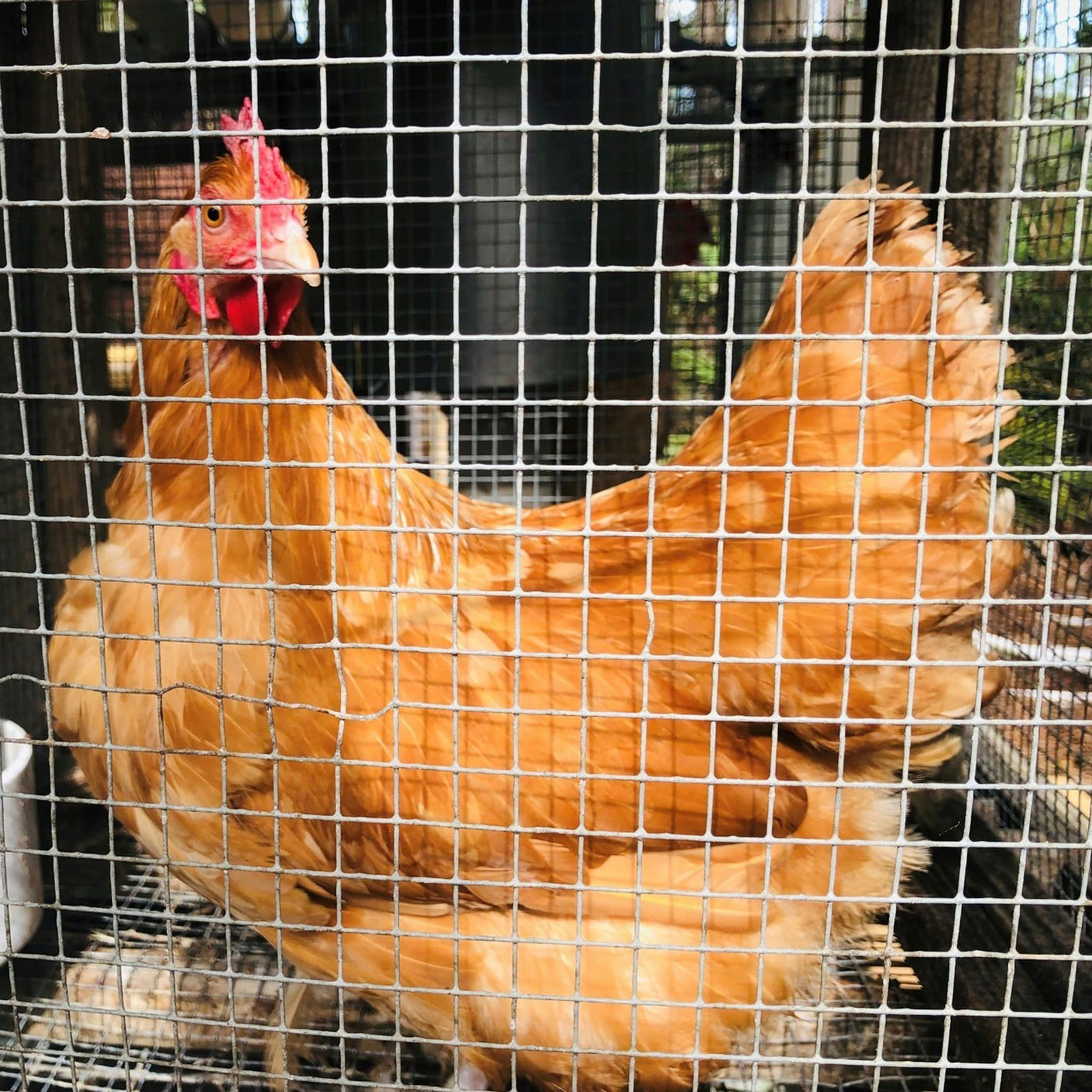
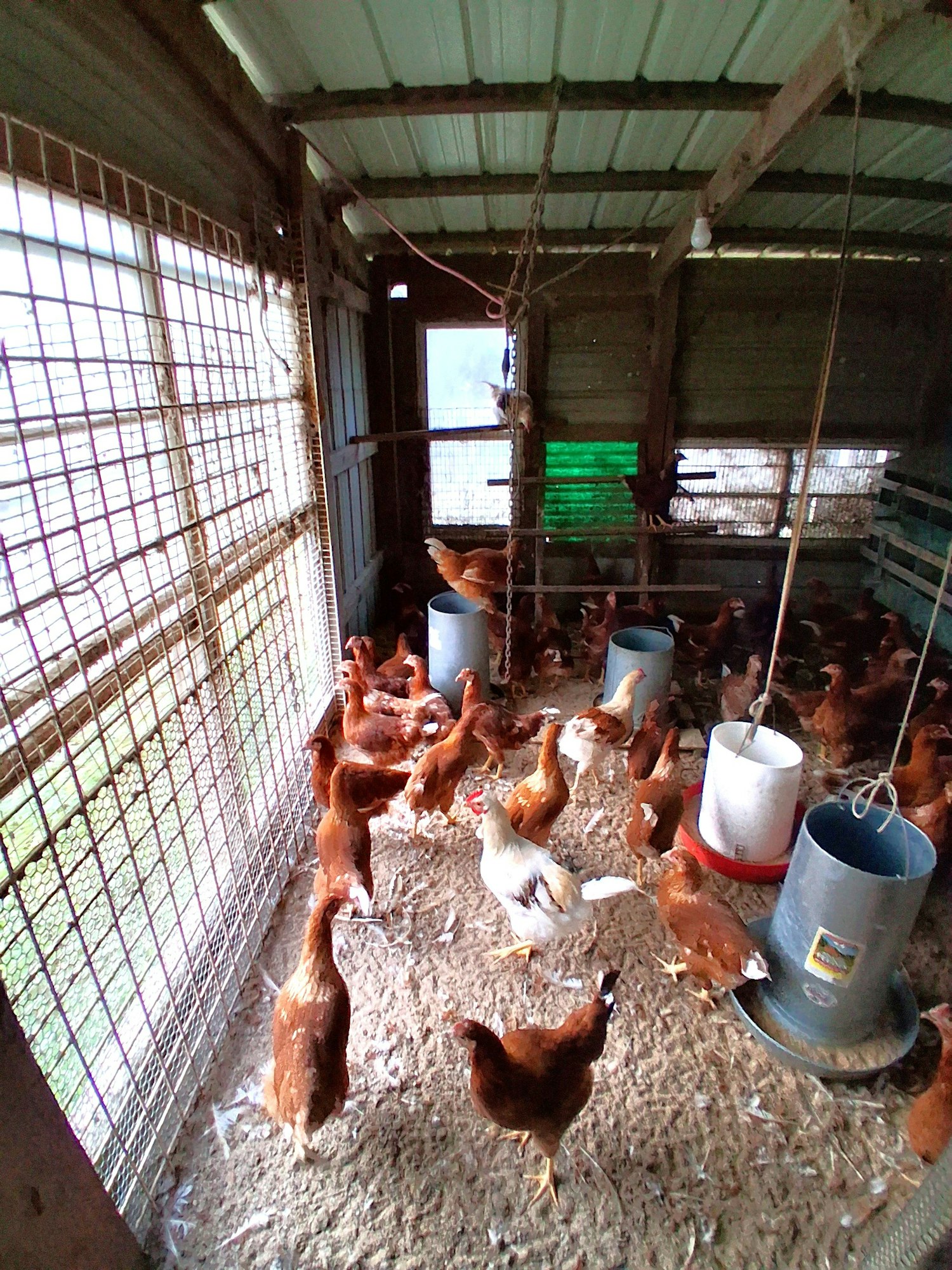
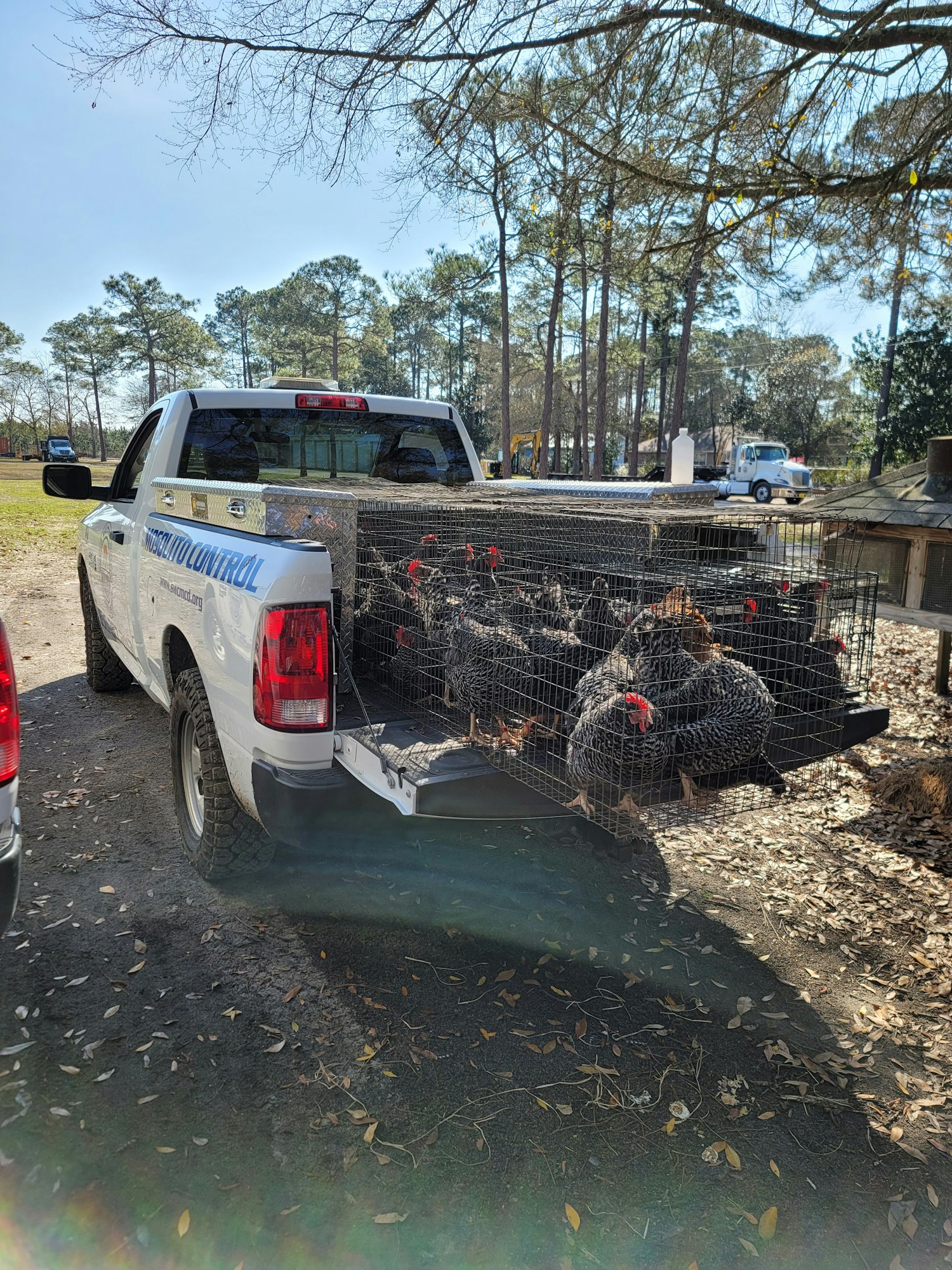
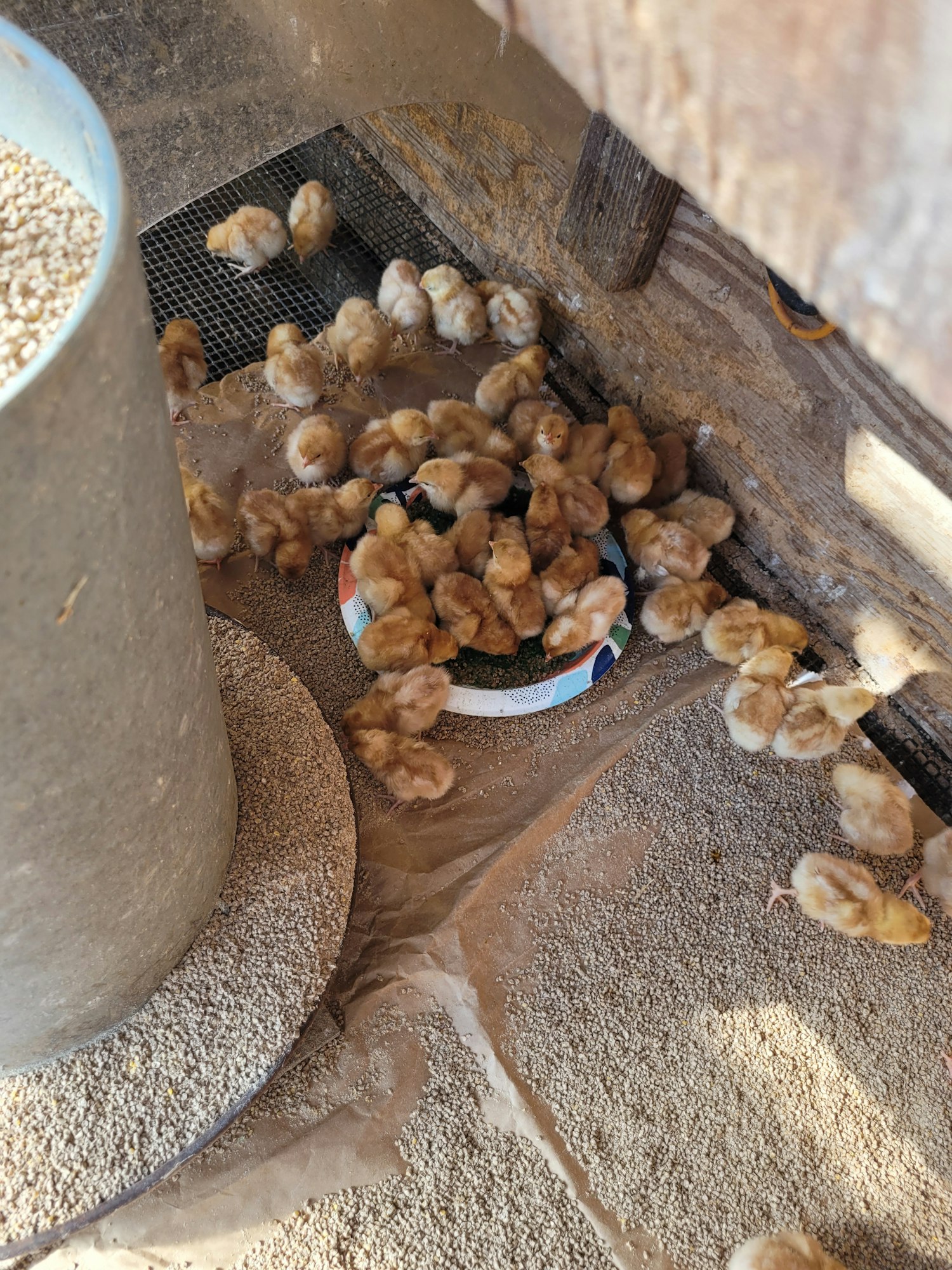
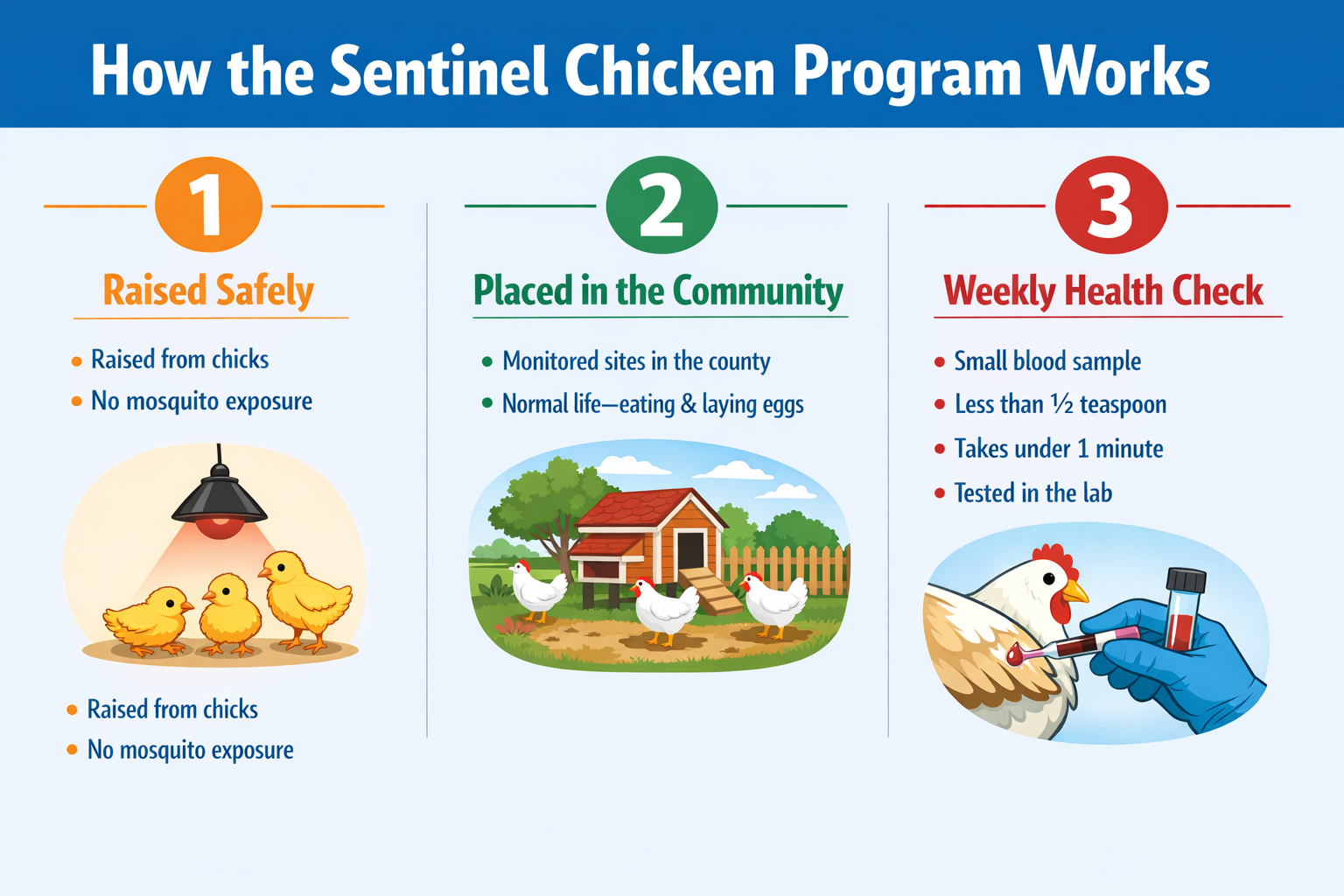
Sentinel chickens are used by mosquito control for surveillance of mosquito transmitted viruses. We currently have 13 coop sites across the county and 52 chickens in the field (plus one onsite chicken coop housing 100+ chickens). The mosquitoes that transmit these viruses primarily feed on birds. Sentinel chickens are placed at locations throughout South Walton County and a small blood sample is taken from each chicken weekly. Blood samples are taken weekly from the chickens (except in winter) and are currently sent to an offsite testing facility to be analyzed for West Nile Virus, Eastern Equine Encephalitis and St. Louis Encephalitis.

Chickens do not become sick from these viruses and the viruses are unable to replicate in the chicken, therefore chickens cannot spread the virus to other mosquitoes. If a chicken has antibodies against one of these viruses then we know that virus is circulating in the mosquito population. Mosquito control then acts to lower the number of mosquitoes and reduce the risk for people and animals getting sick.
South Walton is one of 19 Florida counties that employ chickens to help guard against mosquito-borne diseases. Sentinel chickens perform a very important job for the public because they are our first line of defense for monitoring arboviruses in the area.
There are numerous benefits to this early-alert system for both our district and the general public. By utilizing chickens as “mosquito monitors”, the district can make a better-informed decision on control efforts based on the virus present and the mosquito species that are known to vector the virus. This also narrows down our control response to specific geographical regions, decreasing our response time and increasing the chances of control before an outbreak can occur.
Further, the resulting data provides historical heat maps/hot spots of arboviruses in South Walton, allowing us to map out zones of higher arboviral concern that may require further surveillance and/or control efforts. The biggest advantage to using chickens for testing is their asymptomatic nature, meaning they do not get sick from the viruses or exhibit symptoms. This is because chickens are not an effective amplifying host for the viruses. In other words, the virus will never replicate to a high enough level within its chicken host to be transmitted back to any biting mosquito.
Consequently, this also means the viruses cannot be transferred from chickens to humans through mosquito bites, providing a safe and effective way to monitor for arboviruses within the county.