MOSQUITO-BORNE ADVISORY
Florida Department of Health in Walton (floridahealth.gov)
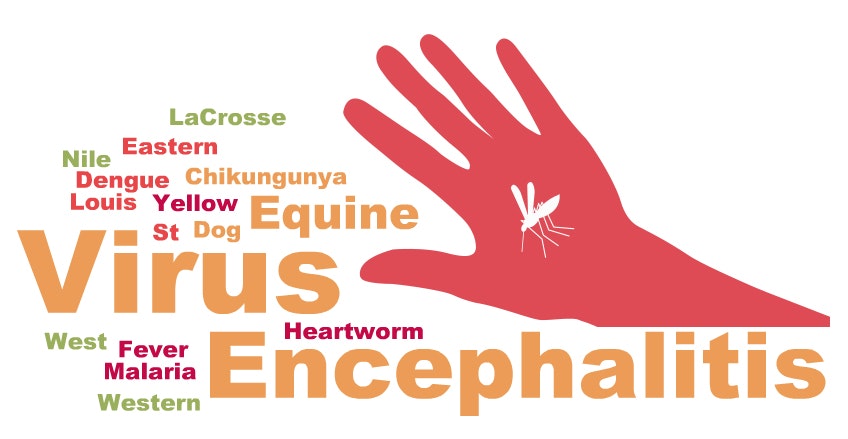
With the arrival of warmer months, it's crucial to stay informed about mosquito-borne viruses that pose significant health risks. These viruses, such as West Nile virus, Zika virus, and Dengue fever, are transmitted to humans through the bites of infected mosquitoes. To minimize exposure, individuals should take preventive measures like using insect repellent, wearing long-sleeved clothing, and eliminating standing water where mosquitoes breed. Additionally, staying indoors during peak mosquito activity times, typically dawn and dusk, can reduce the risk of bites.
Health authorities provide updates on outbreaks and areas of concern, so staying informed through local health departments and media sources is advisable. Taking these precautions can help protect yourself and your community from these potentially serious illnesses.
* DEPARTMENT OF HEALTH ADVISORY *
IMPORTANT COMMUNITY HEALTH NOTICE
WEST NILE VIRUS — SOUTH WALTON COUNTY
Dear Residents,
We are notifying our community that one person in the South Walton County area has tested positive for West Nile virus (WNV) and is currently hospitalized.
West Nile virus is a mosquito-borne illness. It is most commonly transmitted to people through the bite of an infected mosquito. The confirmation of a human case is an important reminder for all residents to take reasonable precautions to reduce mosquito exposure and eliminate mosquito breeding sites.
What Residents Can Do
The Florida Department of Health recommends the following:
DRAIN standing water.
Regularly empty water from flowerpots, buckets, toys, pet bowls, birdbaths, pool covers, trash containers, gutters, and other items that collect rainwater. Check your property after rainfall.
COVER exposed skin.
When outdoors, particularly when mosquitoes are active, wear long sleeves, long pants, shoes and socks when practical.
USE mosquito repellent.
Use an EPA-registered insect repellent according to the product label. Common effective active ingredients include DEET, picaridin, IR3535, oil of lemon eucalyptus, and para-menthane-diol.
CHECK screens.
Repair damaged screens on doors, windows, porches, and patios to help keep mosquitoes outside.
Symptoms to Watch For
Most people infected with West Nile virus do not develop symptoms. When illness occurs, symptoms can include fever, headache, body aches, fatigue, nausea, vomiting, and rash.
Symptoms generally appear 2–14 days after an infected mosquito bite.
Rarely, West Nile virus can cause severe neurological illness. Residents should seek medical attention promptly for symptoms such as high fever, severe headache, neck stiffness, confusion, muscle weakness, tremors, seizures, numbness, or paralysis.
Adults age 60 and older and people with certain underlying medical conditions are at increased risk for severe illness.
Please Remember:
West Nile virus is not spread through ordinary person-to-person contact. Residents do not need to avoid or isolate themselves from someone who has West Nile virus.
The most effective way to protect yourself and your family is to prevent mosquito bites and eliminate standing water where mosquitoes can breed.
We encourage every resident to inspect their property and take these precautions now.
For additional information, please consult our website or the Florida Department of Health:
West Nile Virus Information — Florida Department of Health
Mosquito Bite Prevention — Florida Department of Health
Remember the 5 D's (click here)!
Thank you for helping protect our community.
This notice is intended to provide general public-health information. Residents with concerns about symptoms or possible exposure should contact their healthcare provider.
DOH-Walton Mosquito Borne Illness Advisory 8-21-26.pdf